

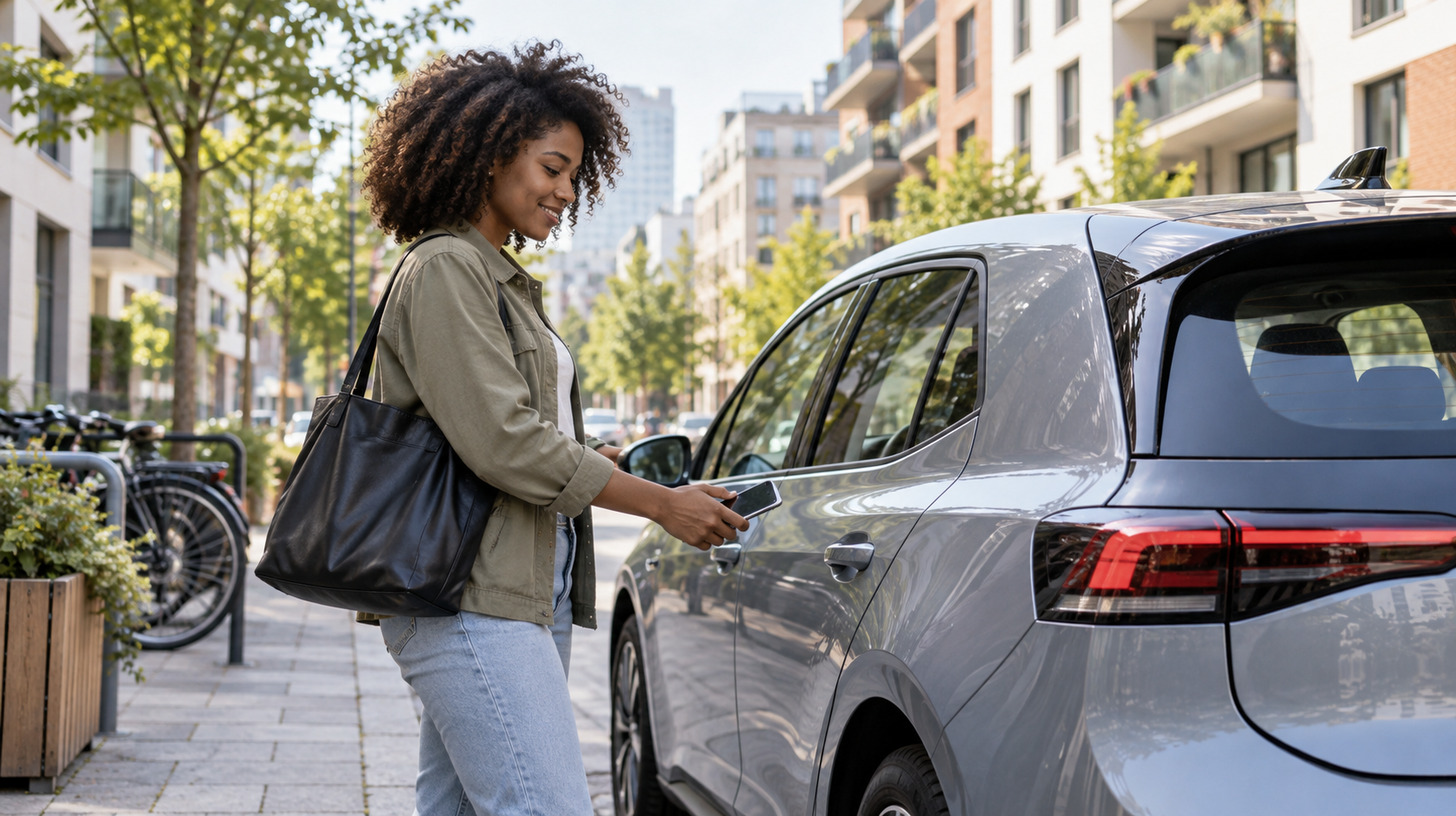
Need a car for two hours to pick up a secondhand table? A rental might leave you paying for a whole day. With car sharing, you could find a car nearby, unlock it with your phone, and go. Both get you behind the wheel, but they work in different ways.
How you get a car depends on how long you need it. A quick errand, a weeklong road trip, or even a bigger plan that involves figuring out how to import a car from Qatar to Saudi all call for different approaches. Car sharing and traditional rentals cover the shorter-term needs, though each works differently.
Rental is built around the vehicle and a set booking period. Car sharing focuses on access when you need it. For an operator, that choice shapes pricing, fleet operations, and the tech behind every trip.The core business models
Traditional rental starts with a plan. You reserve a car category, collect it at a branch or airport, and keep it for a day or longer. You agree on a return time and place. It works well for holidays, business trips, and long drives.
Car sharing suits short trips and quick decisions. Once your license is verified, you open an app, find a nearby car, and book. Some services charge by the minute, others by the hour or day. Station-based cars return to one spot. Free-floating cars can be left inside an approved zone.
Car sharing competes with taxis, ride-hailing, and peer-to-peer rentals. It can also fill gaps left by buses, trains, and bike sharing. Operators need to know when people prefer to drive themselves.
Fleet strategy and operations
Running a car rental or car sharing business starts with the right vehicles in the right places. Operators must decide how to acquire cars, keep them in top condition, and position them where demand is highest.
Fleet acquisition
Big rental firms often buy vehicles in bulk and rotate them out after a set period. Some use manufacturer buyback deals to limit resale risk. They need enough cars at busy pickup points, especially when demand surges around airports and holidays.
Car sharing fleets follow demand by neighborhood. Operators buy or lease compact cars, vans, and EVs. A small car suits a grocery run; a van handles a move. The location of each vehicle matters as much as the type.

Maintenance and operations
Rental cars usually come back to a branch for cleaning, checks, and repairs. Staff can inspect each car between bookings.
Shared cars are spread across town. They need fuel or charging, cleaning, and repairs without always returning to a depot. Teams use live data to plan visits, fix faults, and move cars where demand is higher. A dirty car or a dead battery can take it offline in minutes. One missed cleaning visit can affect several bookings.
Technology stack
Rental software handles bookings, payments, and fleet planning. Digital check-in and contactless pickup are growing, so a counter visit is no longer a given.
For car sharing, the app and connected vehicle run the entire service. A telematics device reports location, fuel level, or battery charge. It also helps check vehicle status and lets verified drivers unlock the doors. Battery alerts can flag a problem before the next driver arrives.
The platform links license checks, pricing, payments, support, and parking rules. If the app can’t open the car, the trip ends before it starts. Reliable access matters as much as fleet size.
Who uses each service
Car sharing appeals to city residents who don’t need a car every day. It fills the gap between public transport and car ownership. People use it for errands, client visits, or day trips.
For someone who drives daily, buying a car may make more sense. That opens up other options, from shopping at local dealerships and browsing used cars to researching how to import cars from Qatar to Saudi Arabia. But if you only need a car occasionally, paying for access can be easier than dealing with ownership.
Rentals suit travelers who need a car for several days. Neither option is always cheaper. Compare mileage, insurance, deposits, fuel, parking, and late fees. An hourly rate adds up fast when you’re stuck in traffic. Fuel and parking may be included in one service but charged separately by another.
A blurring of lines
The two models are moving closer. Rental companies are adding app-based access and hourly options. Sharing providers now offer day rates, longer bookings, and subscriptions.
Hertz 24/7 runs car, van, and business sharing on one platform across more than 700 European locations. Norway’s Hyre lets drivers book and unlock cars through an app, with a fleet of over 3,000.
The difference still matters to operators. Rental depends on planned bookings and vehicle turnover. Car sharing needs frequent, self-service trips to run without staff on site. Which model fits depends on how people actually travel.