

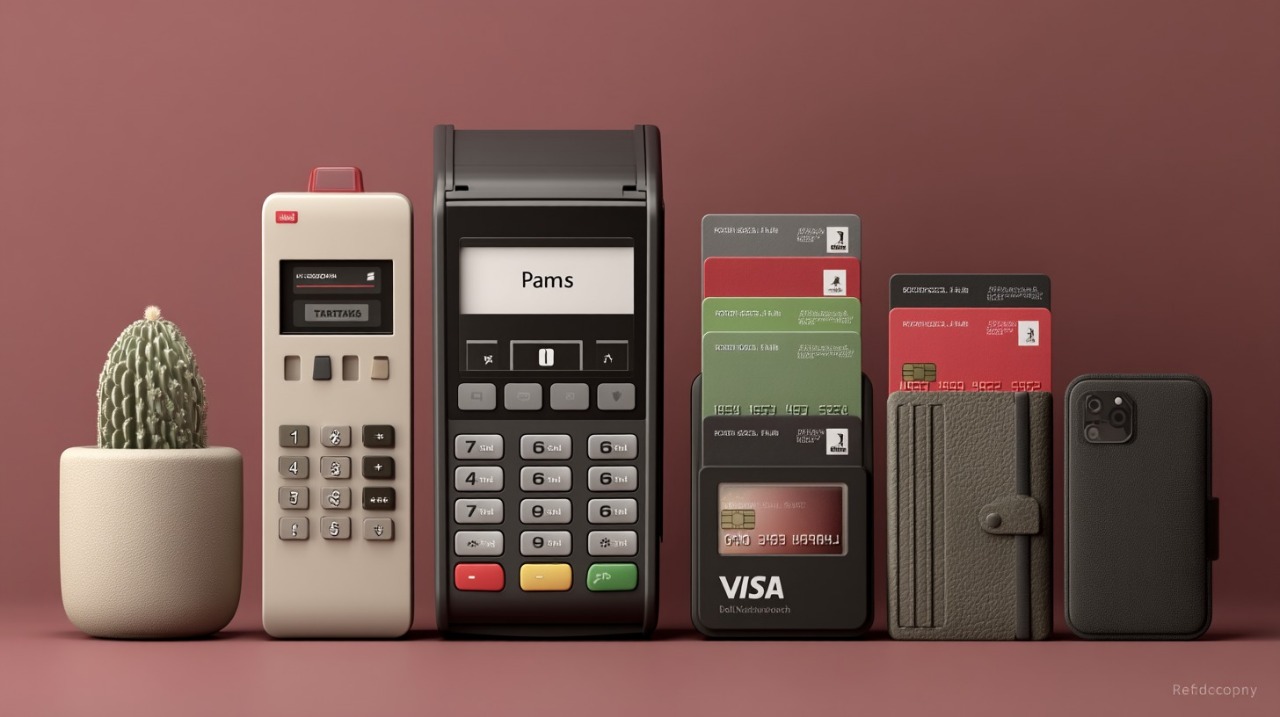
In today’s fast-paced retail landscape, payment methods are no longer an isolated component of the checkout process. For large retailers, IT directors, and operations managers, the modern challenge isn’t merely about accepting a wider array of payment options. The real complexity lies in seamlessly integrating a variety of payment gateways within a multifaceted business ecosystem that is omnichannel, international, and designed for scalability. Whether businesses rely on retail-focused payment platforms, a gaming payment gateway, or other industry-specific payment solutions, the goal is often the same: creating a unified payment infrastructure that supports operational efficiency, customer convenience, and long-term growth.
The top priority is ensuring that the Point of Sale (POS) software can connect flawlessly with all required payment methods in every market and across every channel. This is why technical flexibility, robust security, and deep integration capabilities are the cornerstones of improving the checkout experience for customers without sacrificing internal operational efficiency.
What are payment gateways and what is their role in POS software?
At their core, payment gateways are technological platforms that facilitate and process transactions by acting as intermediaries between the business, the customer, and the relevant financial institutions. However, in an advanced retail environment, their role must be analyzed beyond the simple consumer-facing transaction. It’s more useful to see them through the lens of the larger architecture that connects all payment methods, sales channels, and backend management systems.
This is precisely where POS software comes into play. The point of sale (POS) system is the crucial link that connects the commercial transaction with the checkout platform. Its job is to record the sale, send the necessary transaction information to the gateway for authorization, receive the approval or denial response, and, critically, maintain consistency across all related business functions, including orders, returns, promotions, inventory levels, and customer data. Whether a business integrates a traditional retail payment processor, a payment gateway for gaming, or another industry-specific payment solution, the POS system helps ensure that transaction data flows accurately across the broader business ecosystem.
Therefore, the key question for a large retailer is not just which payment gateway to use, but whether its POS software possesses the flexibility to integrate with all the payment gateways required for its current and future operations. This capability becomes especially vital for companies managing an international presence, a variety of store formats (like flagships, outlets, and pop-ups), and multiple e-commerce channels.

What are the most used payment methods today?
The landscape of consumer payment preferences has evolved dramatically. According to a 2015 Statista study, the most commonly used payment methods were bank cards, cash, and checks. Today, the situation is far more varied and geographically diverse. For example, payments in Europe are typically secured by the customer entering a PIN code, while in the United States, swiping a card’s magnetic stripe is still a common practice. As payment ecosystems continue to expand, businesses across different sectors may rely on a wide range of specialized solutions, from e-commerce payment platforms to an online gaming payment gateway and other digital payment infrastructures. This diversity reflects the growing demand for payment experiences that align with local preferences, industry requirements, and evolving consumer expectations.
In stark contrast, China has adopted far more advanced and mobile-centric payment methods. Over the past two decades, the country has swiftly transitioned from a cash-based economy to one dominated by smartphones, a leapfrogging that occurred largely because bank cards never achieved widespread adoption. As a result, platforms like Alipay and WeChat dominate the payment landscape. Recognizing this, many major stores in international shopping hubs like Paris now accept these methods from Chinese tourists. The process is simple: at checkout, the store’s system generates a unique QR code, which the customer then scans with their smartphone to complete the payment instantly.
Types of payment methods for retail and e-commerce
The payment options a retailer should offer vary significantly depending on the sales channel, customer profile, and even the timing of the purchase. A traditional physical store, a global e-commerce platform, or a fully integrated omnichannel model do not always require the same set of payment solutions. Likewise, businesses operating in different digital sectors may evaluate various payment infrastructures, ranging from standard online checkout systems to a payment gateway for online gaming and other specialized payment technologies. The key is selecting solutions that align with customer expectations, operational requirements, and the preferred payment methods of the target market:
- In physical stores: Common options include cash, credit and debit cards, contactless payments (like tap-to-pay), mobile payments (such as Apple Pay or Google Pay), paper or digital vouchers, gift cards, and increasingly, point-of-sale (POS) financing solutions that allow customers to pay in installments.
- In e-commerce: The standard options are cards, but they are supplemented by digital wallets like PayPal, bank transfers, deferred payment services (Buy Now, Pay Later), and a variety of local payment solutions specifically tailored to the preferences and regulations of each market.
- In omnichannel journeys: This model requires a blend of options to support complex customer paths, such as buying online and paying in-store, reserving an item online and paying for it at the collection counter, or returning an e-commerce purchase to a physical store for a refund.
Types of payment gateway integration for retail and e-commerce
The method of payment gateway integration is a strategic decision that depends on the business’s technology strategy, the specific markets where it operates, and the level of personalization required. It’s not just about choosing which payment options to offer, but defining precisely how they connect to the POS software and other essential business systems. Depending on their industry and operational needs, businesses may evaluate a range of providers, from traditional payment processors and e-commerce payment platforms to gaming payment gateway providers and other specialized payment technology partners. The goal is to build an integration framework that supports efficiency, scalability, and a seamless customer experience across all sales channels.
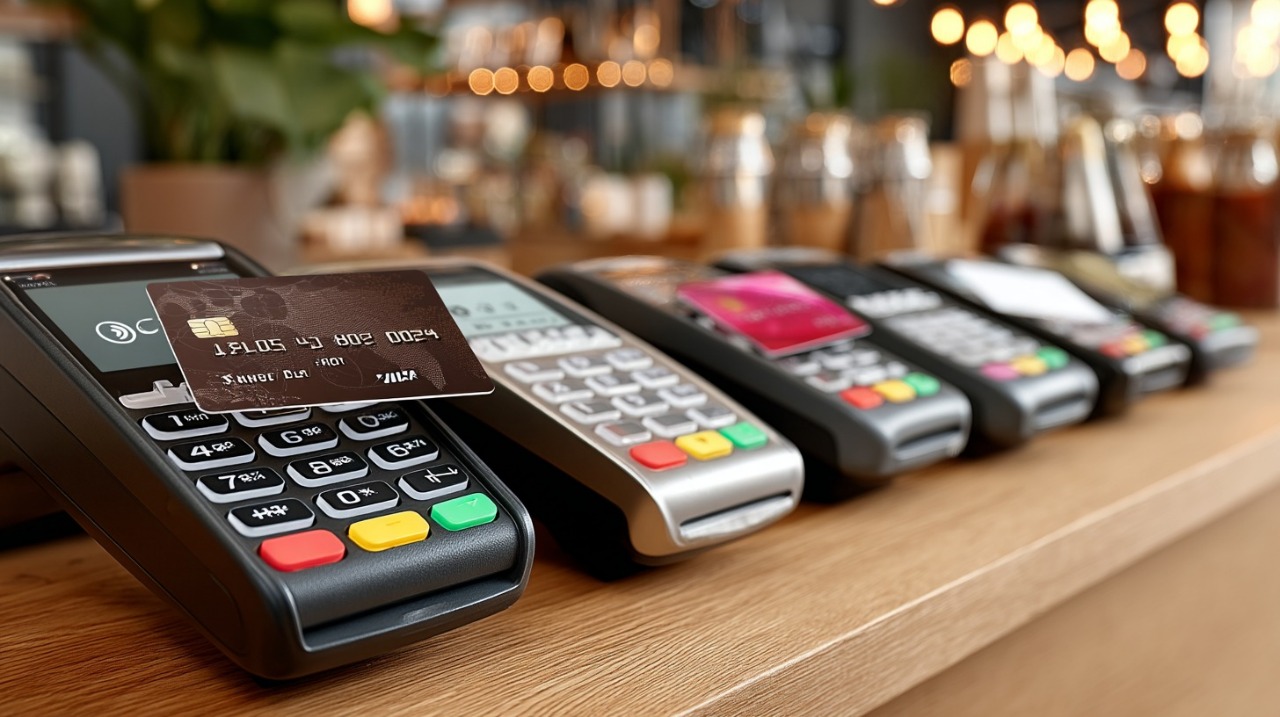
Native connectors for payment gateways
One straightforward option is to use official, pre-built modules developed through strategic partnerships with global payment platforms. This approach significantly accelerates deployments, reduces technical complexity for the in-house IT team, and ensures that the integration is based on a validated, reliable, and continuously maintained connection.
Standard protocols for local payment methods
Another effective path is adopting standard protocols, which are particularly useful in markets with unique regulatory or fiscal requirements. In these scenarios, the ability of the POS software to easily adapt to local protocols can dramatically simplify international expansion and support compliance efforts. This flexibility can be valuable across a wide range of payment environments, from traditional retail transactions and e-commerce operations to gaming payment processing and other specialized digital payment ecosystems. By supporting standardized integration methods, businesses can more easily align their payment infrastructure with local market expectations while maintaining operational consistency across regions.
Open Payment API for integrating payment methods
Finally, an open Payment API offers the ultimate flexibility, allowing for custom-built connections with a wide array of payment gateways. A flexible POS system will provide this capability, empowering retailers to connect with market-leading gateways and support the complex demands of large-scale, bespoke retail projects.
Why flexibility in payment gateways improves the customer experience
True technical flexibility in payments allows a retailer to enhance the checkout experience without the customer ever seeing the complex back-end machinery at work. When POS software integrates properly with various payment gateways, retailers can seamlessly connect physical stores, e-commerce platforms, order management systems (OMS), inventory databases, CRM platforms, and checkout technologies into a single, unified operation. Similar integration principles can be applied across different payment environments, whether a business uses conventional retail payment solutions, a payment gateway for games, or other specialized digital payment infrastructures. The result is a more connected ecosystem that supports efficient operations and a consistent customer experience across multiple channels.
Here’s what this looks like in the real world for you and your customers:
- Buy online, return in-store. No more manual workarounds or losing track of items and refunds.
- Seamless e-reservations. Customers can finish their online reservation at the physical counter without losing any of their order details.
- Easy refunds and exchanges everywhere. Manage returns across all your channels with more speed and accuracy.
- Local payment options. Offer the payment methods your local markets actually prefer, which means more sales for you.
- Fewer manual errors. When your pinpads are directly connected to your POS software, everything moves faster and with fewer mistakes.
- Checkout anywhere. Use mobile solutions to bring the checkout to your customers, cutting down on lines and waiting.
- Integrate local payments simply. Add essential local payment methods without messing up your global operations.
For big retailers, this kind of flexibility is a game-changer. It’s not just about giving people more ways to pay; it’s about making sure every transaction is quick, secure, and consistent, no matter where it happens.

Picking the right payment gateway for unified commerce
When you’re a big retailer, picking a payment gateway is more than just looking at transaction fees. It needs to fit into your long-term plan for a smooth, unified shopping experience.
Here’s what you should look for:
- Global reach: Can your gateway and POS handle different countries, currencies, local payment methods, and rules?
- Easy connections: Does your POS software easily connect with the gateway, whether through official connectors or custom APIs?
- Top-notch security: Your setup must protect customer payment data using certified environments, encryption, tokenization, and other standard security practices.
- Smooth operations: The system needs to keep checkouts running smoothly, make returns easy, and simplify financial reporting.
- All-in-one experience: Payments should link up with orders, inventory, promotions, and customer service to give shoppers a consistent experience everywhere.
- Flexible payment options: You need to be able to quickly add new digital payment methods or cater to local preferences.
Security is non-negotiable. In today’s cloud-based systems, tokenization is key. It swaps sensitive info, like credit card numbers, with a secure token. This keeps customer data safe and makes things like repeat purchases or returns much simpler without putting financial details at risk.